Steppe front
The Grey Line
Trenches, mud and artillery across open forest-steppe. A defence that has to hold, then give ground in order.
The battles you fight are part of a bigger war: a map of regions, companies that move and wear out, supply, pockets, raids and drops. Here is how an operation plays, from the first order to the report.
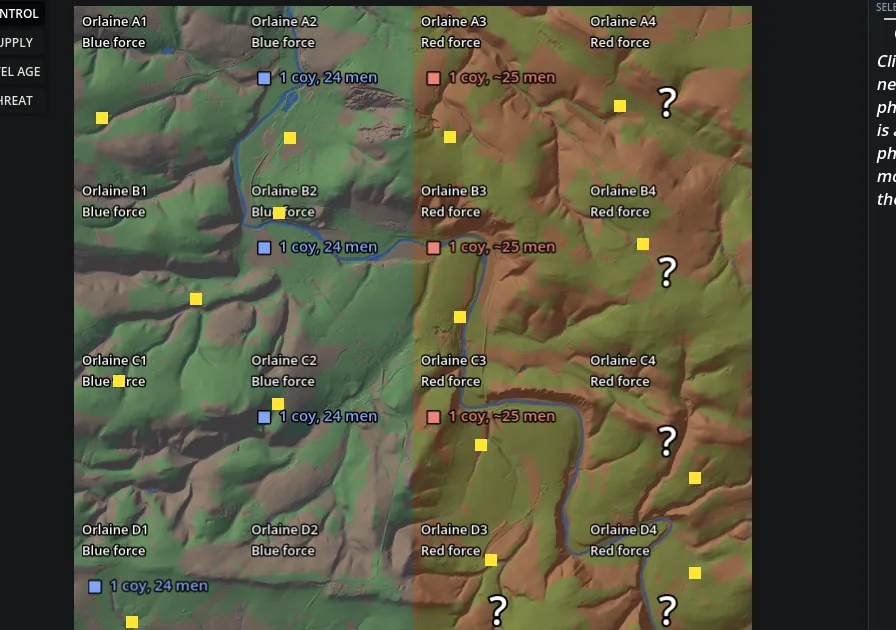
Pick an operation and a side. Four to six regions of real ground, each its own battlefield, fought over day by day for two to four hours. You have an operation order with an objective, and the operation is judged at the end by an after-action report: what you took, what you held, what it cost. It saves under its own codename, so you can stop and come back.
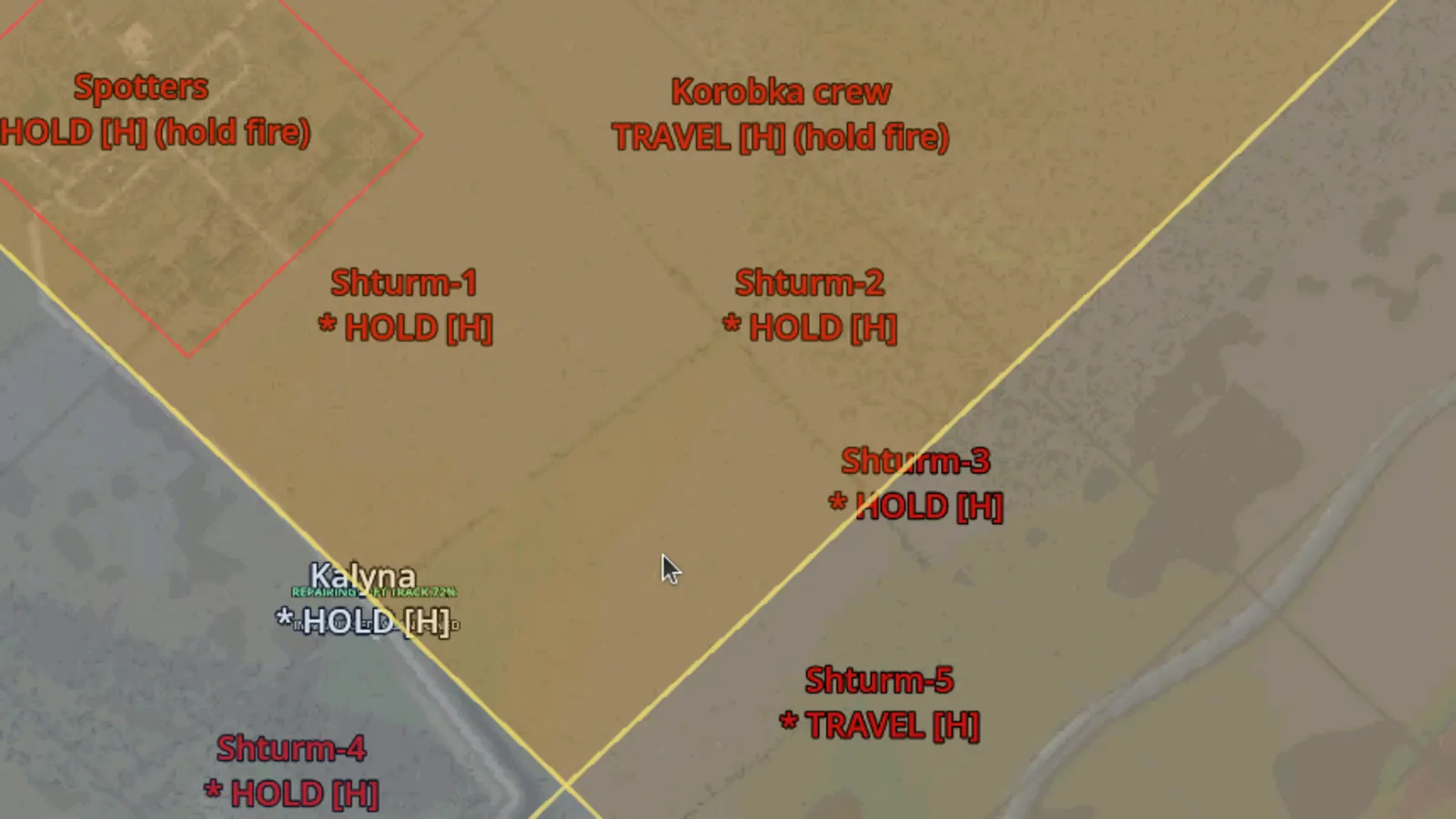
Every day runs in phases. In the BRIEF you read the dispatches and what your scouts saw. In ORDERS you move companies between regions, send fire support, launch an air assault or a drop. Where two sides meet there is a fight: play it on its own ground, with the real squads of both companies, or let it resolve. At night the REAR: rest, repair, replacements from the depot, training, and buying reinforcements.
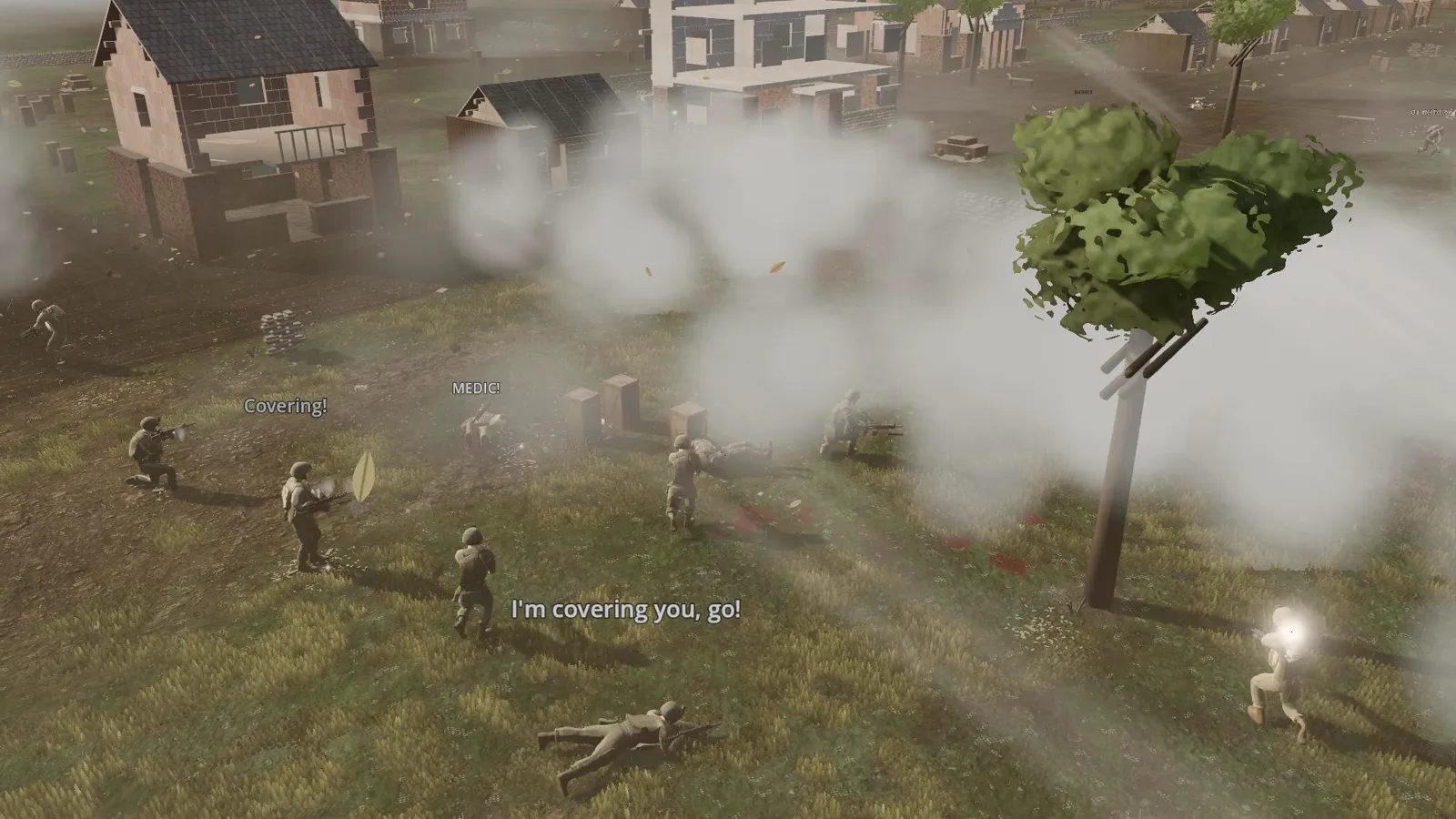
A company is real squads of named men with their kit and vehicles. What happens in one fight goes into the next: the men lost, the rounds spent, the morale. A company worn down fights shaky and may break off; a proud one stays steadier. Fight a battle yourself and its losses and its morale go back onto the map exactly as they ended.
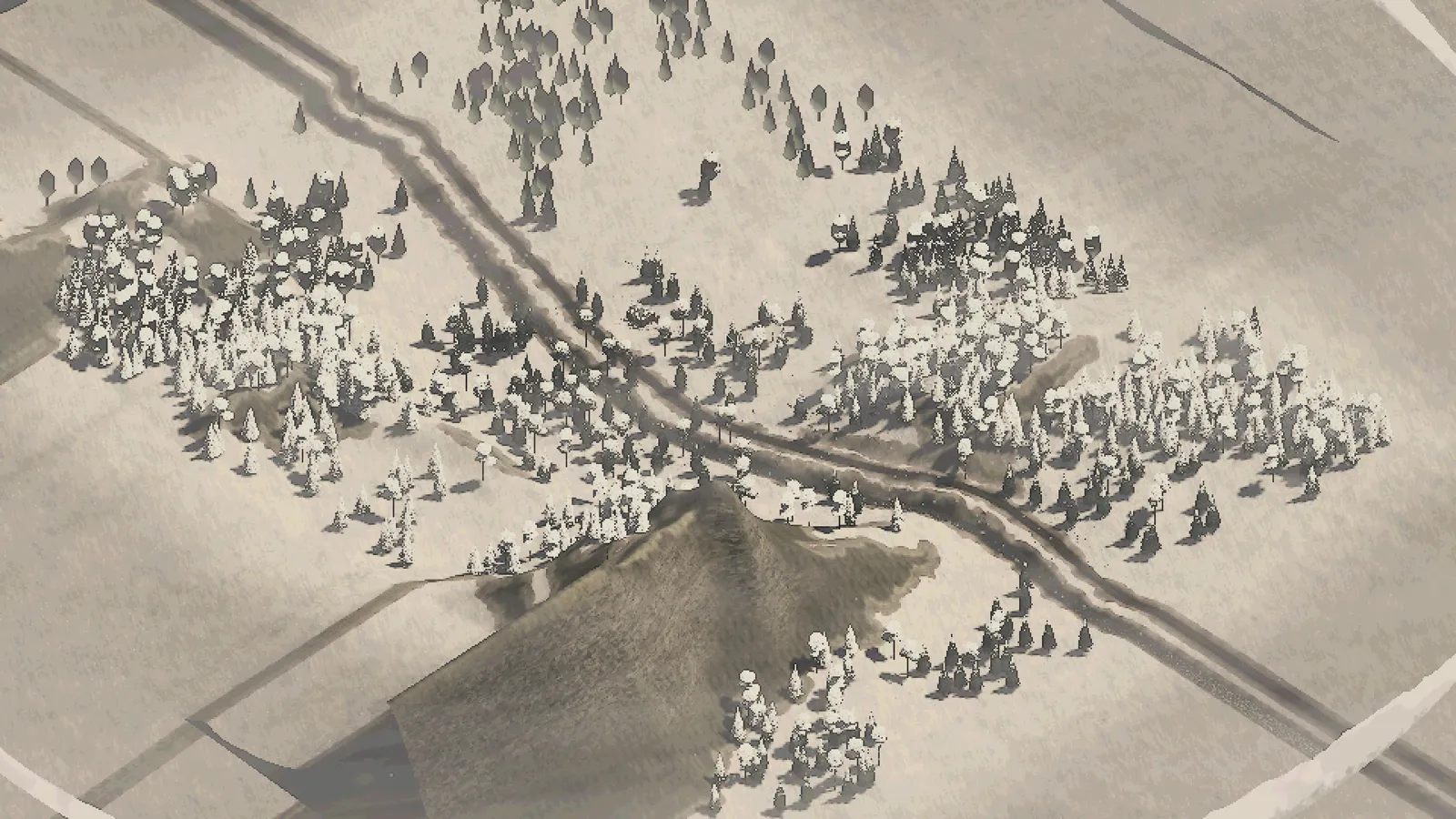
You see what your men have seen. A region next door may be a guess, or something seen two days ago. Recon companies and snatch patrols bring back a picture, and prisoners talk. Before an attack the region planner opens the real ground of the fight: choose where the drop lands or where the assault goes in.
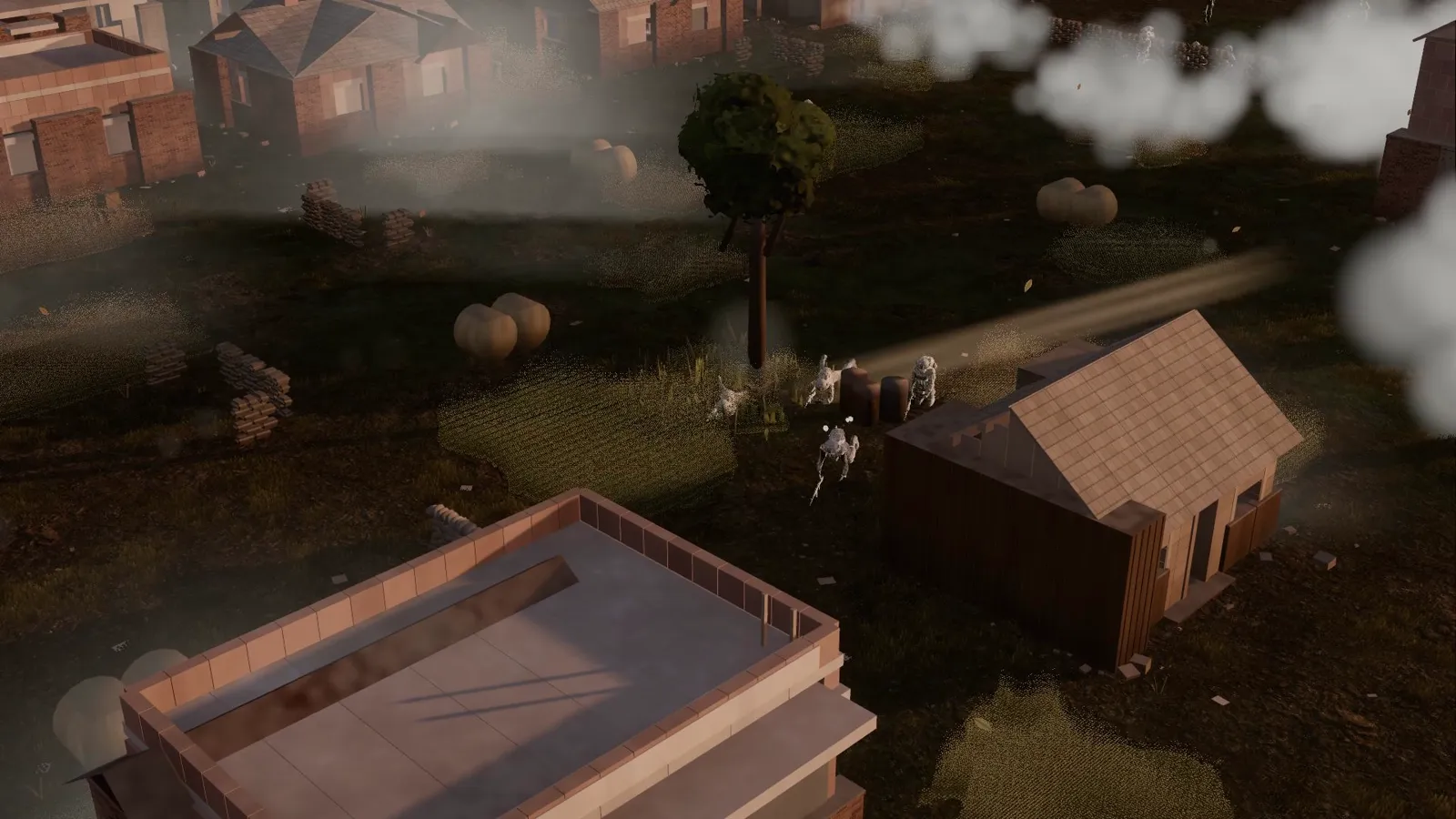
Supply runs along the regions you hold. A company cut off is in a pocket: rounds and food run down, morale with them, and after enough days it surrenders. Prisoners go to a ledger and can be exchanged under a local truce. Keep your own pocket alive with an airdrop, or fight a way through to it.
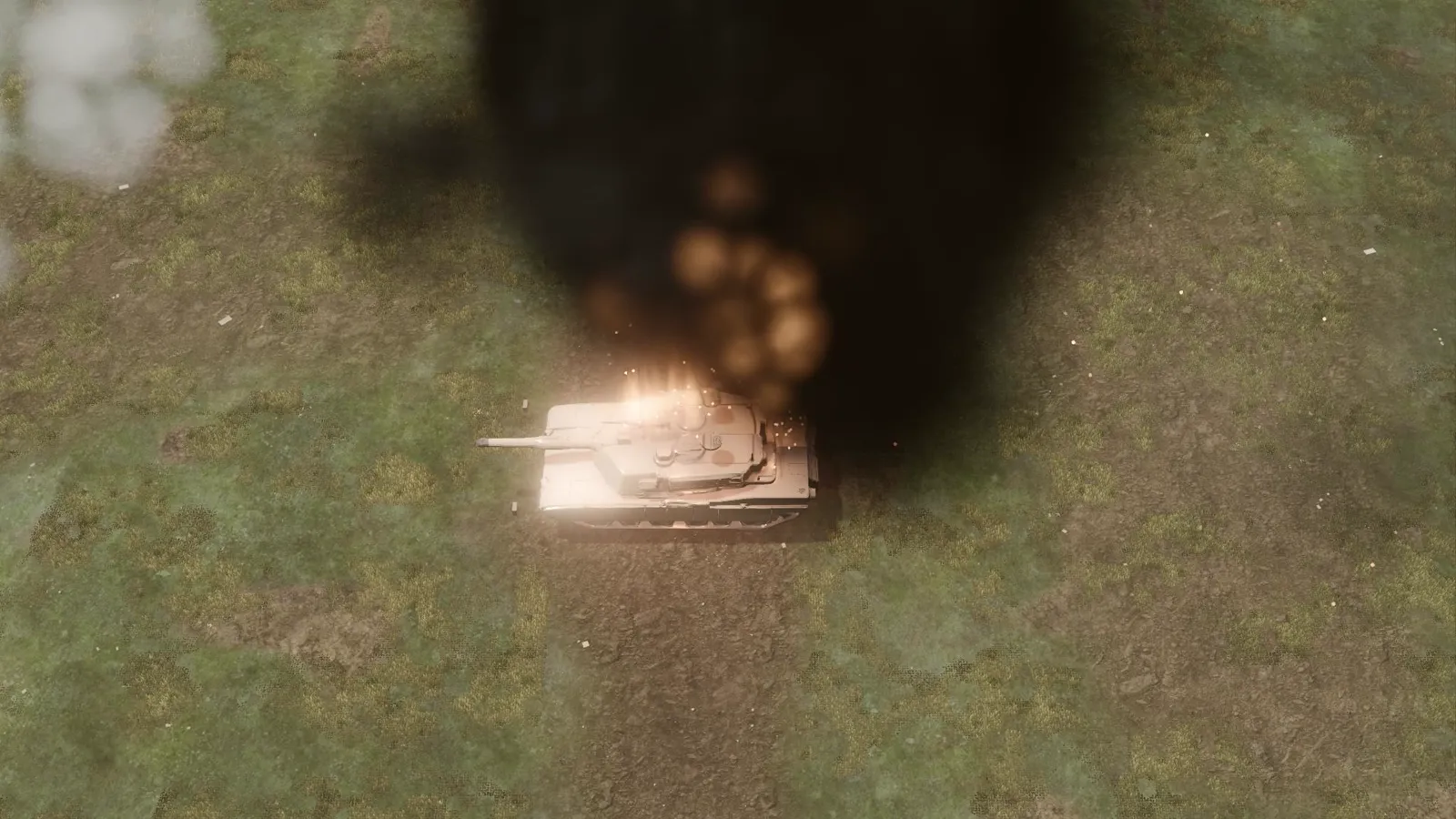
Jobs come up out of what is happening: a snatch patrol, a raid on the enemy HQ a prisoner gave away, a convoy ambush, a POW camp raid, an evacuation, towing back a vehicle left behind in a fight. Send a squad and take your odds, or play the job as a small battle. The enemy runs its own: sappers on your supply links, raiders at the front.
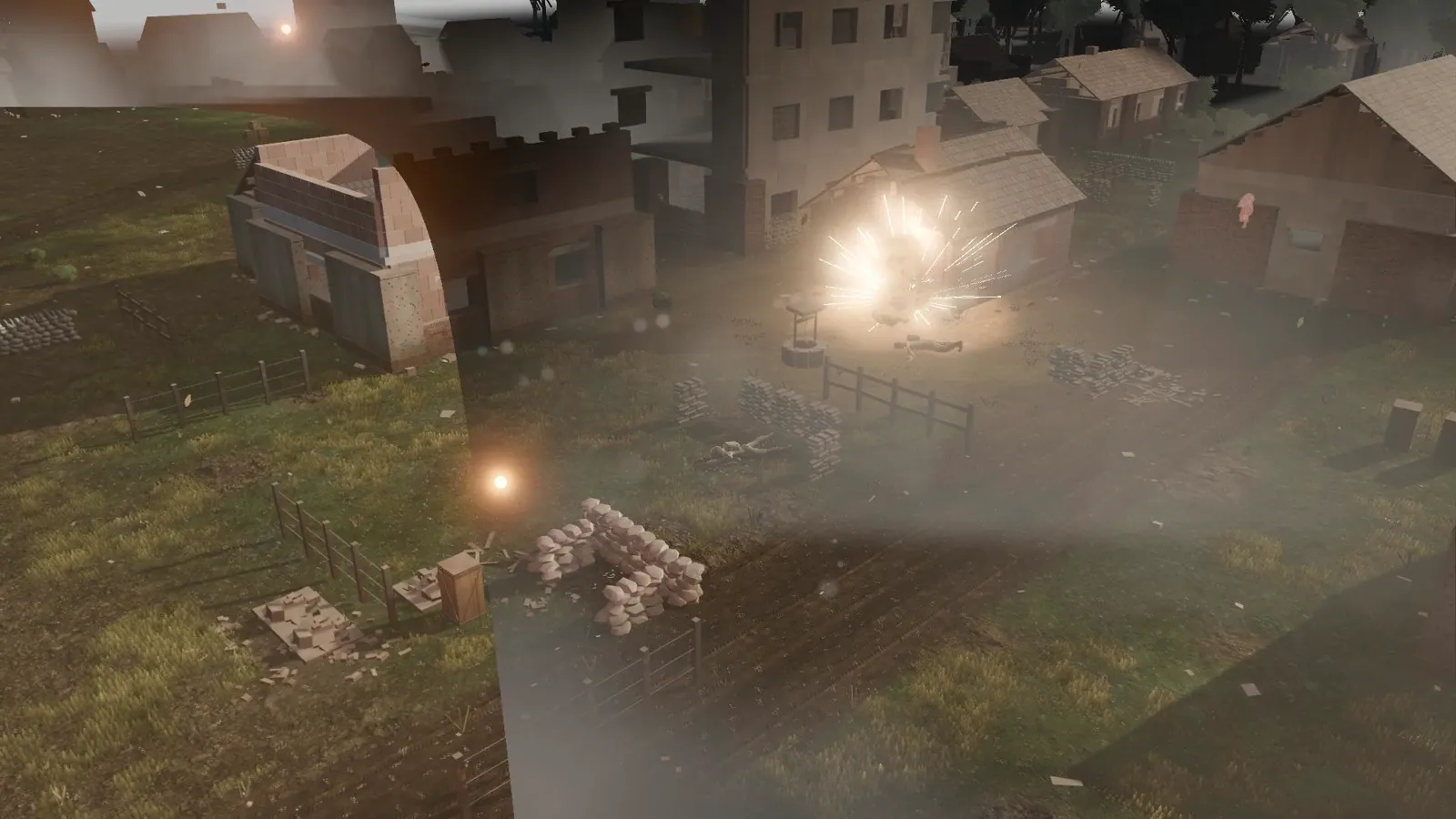
Raise special companies from your trained men. Engineers dig trenches and works in a region before the fight. Recon sees further. Air assault flies a company in by helicopter and can lift it out again; paratroopers drop from transport planes and land scattered. The enemy has air defence that can turn a flight back, and so can you.
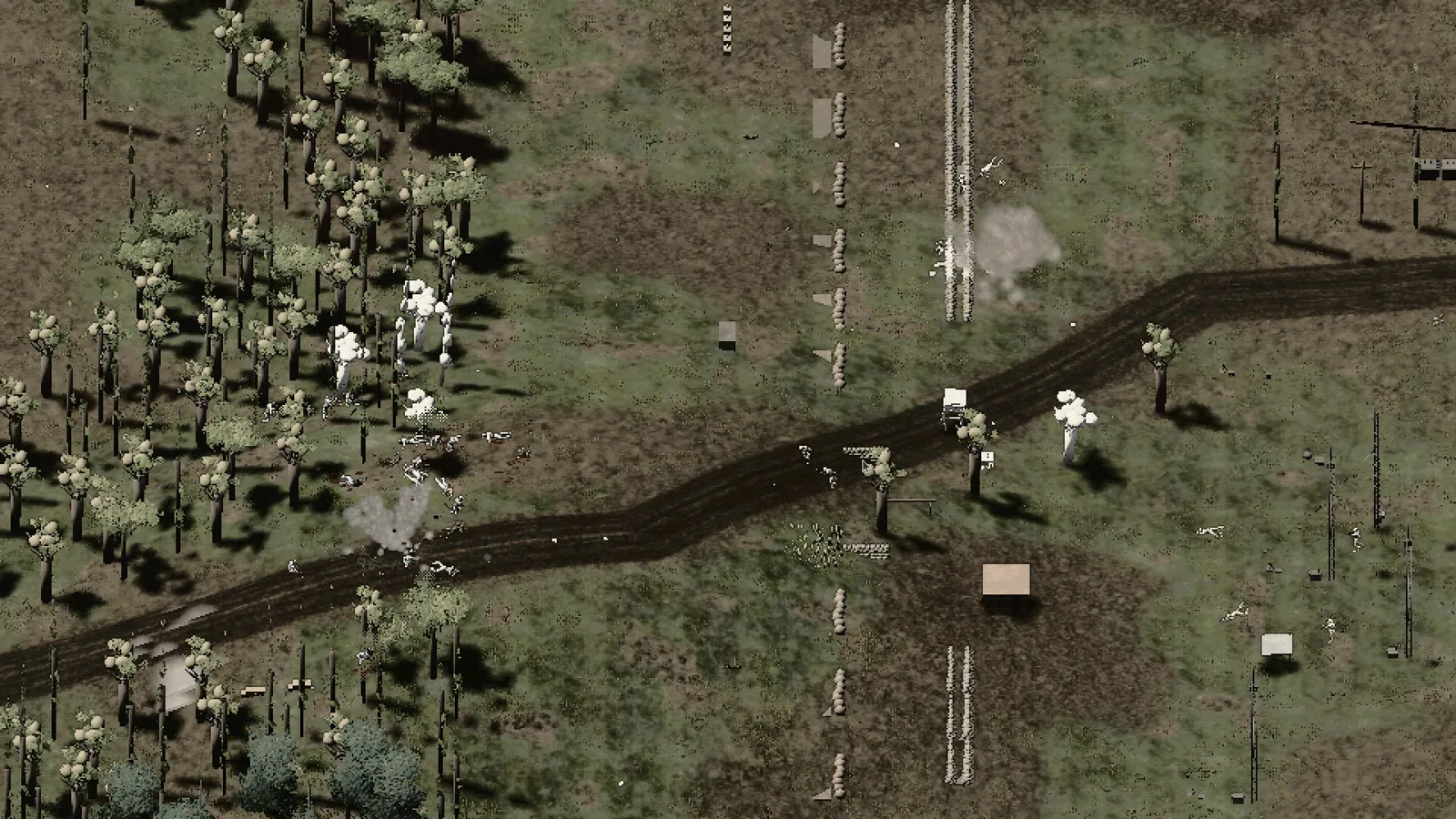
The other side plans on the same map with the same rules: it attacks where you are thin, works to cut you into pockets, raises its own scouts and air assault, and spends from the same budget.
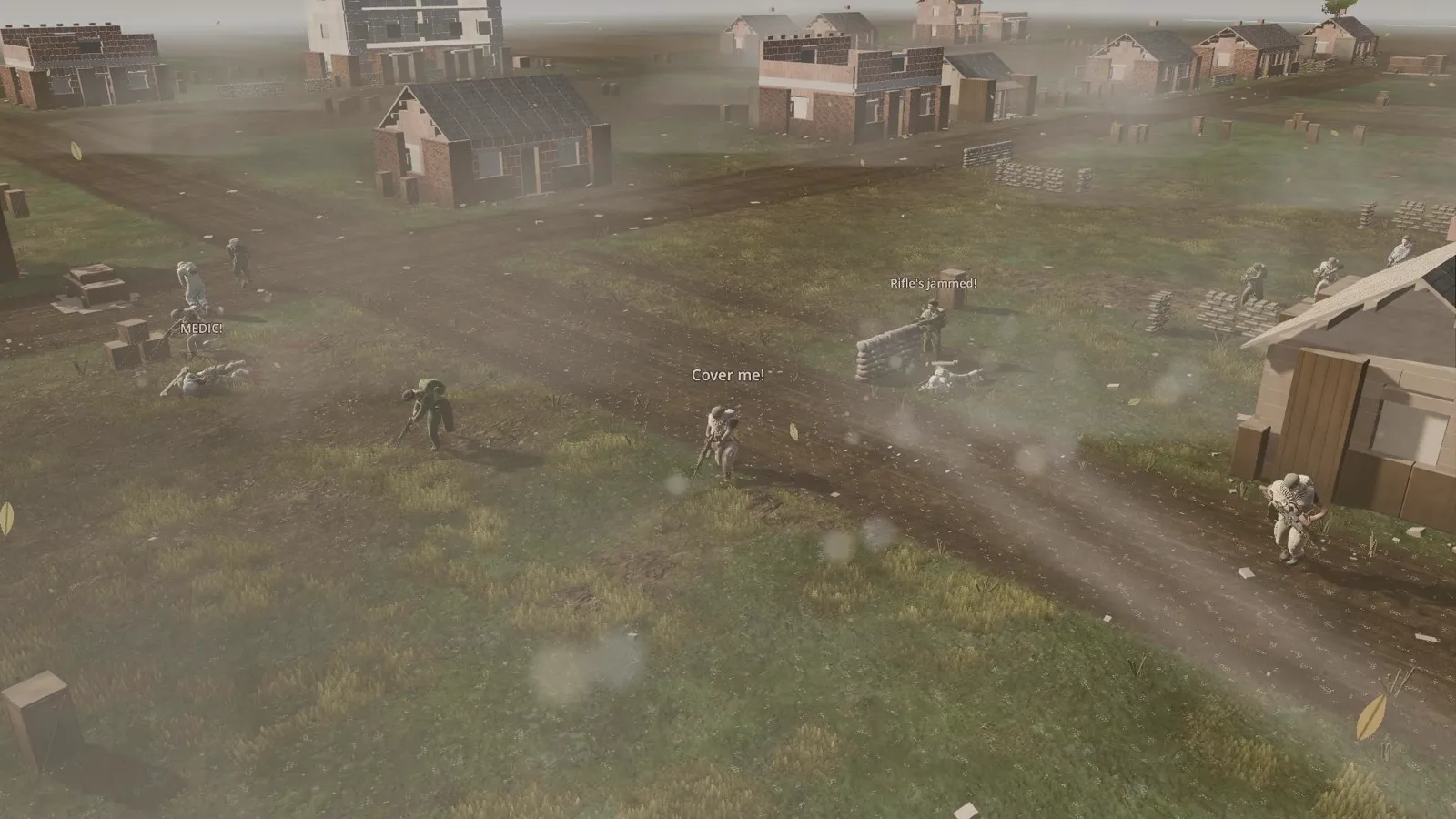
Each night command allows you some points, plus what your ground and objectives bring in. Spend them in the REAR on companies, vehicles and support that fit your side: one side has tanks and rocket artillery, another trucks and fighters who know the hills. More unlocks as the days go and the ground changes hands.
Trenches, mud and artillery across open forest-steppe. A defence that has to hold, then give ground in order.
A stone village on a rock and long dry roads. Vehicles that can be seen for kilometres, and fighters who know every wall.
Marines swim their carriers across a wide river to an island, its bridges and an old town under a castle hill.
Six regions of forest, marsh and a mountain pass under snow. Cold men, short days, slow roads.
A fifth, a city fought barrio by barrio with helicopters over the rooftops, is being built. Mods and expansions add their own.
Up to three friends can join any Conquest battle you play, split or share your squads, and drop in while it is under way. How the battles play